Where Everybody Knows Your Name
Earlier Versions of Me

Making your way in the world today
Takes everything you’ve got
Taking a break from all your worries
Sure would help a lot
Wouldn’t you like to get away?
Sometimes you wanna go
Where everybody knows your name
And they’re always glad you came
You wanna be where you can see
Our troubles are all the same
You wanna be where everybody knows your name
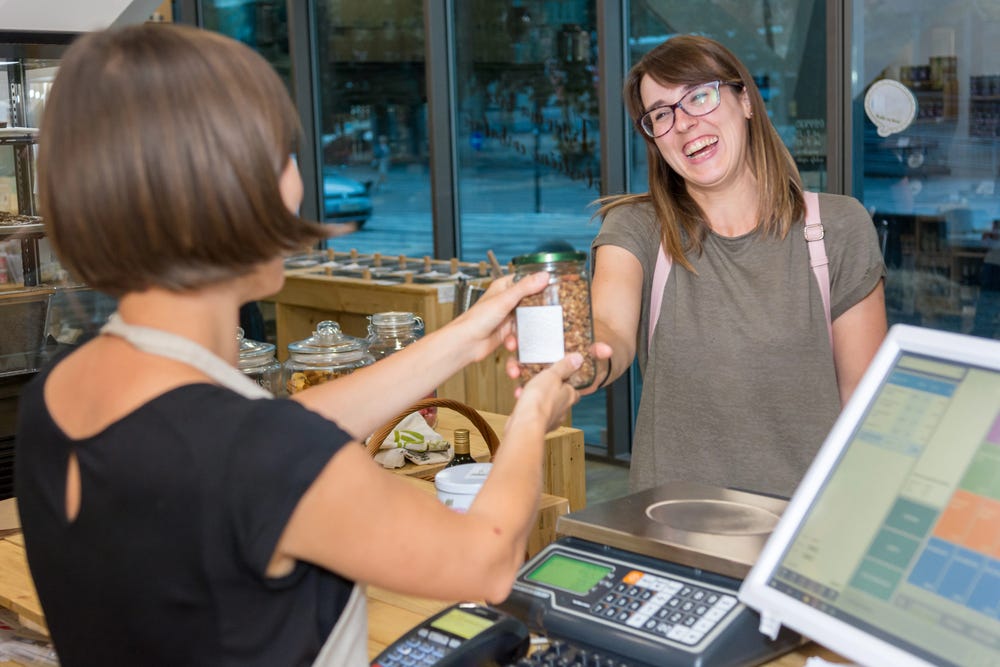
My wife and I like being regulars.
Same grocery store. Same coffee place. Same restaurants. Familiar faces, familiar rhythms. It feels comfortable to us, and I suspect it feels the same to the people behind the counter.
I know it did when I was one of them.
I tended bar for a while. Long enough to learn that there are customers you look forward to and customers you brace yourself for. The good ones made the shift lighter. The bad ones could sour an entire night in under thirty seconds.
That job taught me something simple and permanent: most people in the service industry don’t want special treatment. They just want to be treated like people.
I’ve watched customers treat servers like servants. I’ve been on the receiving end of it, too. It’s ugly. It stinks. And I think it’s only gotten worse in the years since—some combination of pandemic fatigue, internet outrage, and a growing belief that the person across the counter somehow owes you something more than the job they’re already doing.
Both my wife and our daughter worked at Starbucks at different times. I heard the stories. Customers demanding a remake because a single bubble of foam dared to exist on a “no foam” latte. I never understood what people like that get out of the exchange. It’s not like the coffee tastes different. But the interaction certainly does.
I used to work with a bartender named Don Fleming. Don believed—firmly—that everyone should be required to work in the service industry for two years after high school. Mandatory. No exceptions. He figured the world would be a much kinder place afterward.
At the time, I thought he might be onto something.
I worked at a place called Smitty’s, a family restaurant attached to a shopping mall—the kind with laminated menus and breakfast served all day. Ours also had a lounge called The Press Room. Newspaper pages were laminated into the tabletops. More were framed on the walls. It was kitschy in a very specific, very 1980s way.
The mall was busy—busiest in town, actually. A tech school sat just across the street. Between shoppers, students, and mall employees, we had a lot of regulars. Especially in December.
(As an aside, it always amazed me how many people lined up for a beer at ten o’clock in the morning when the lounge doors opened.)
One Christmas, mid-December, near the end of a very long day, I was five minutes from clocking off. Don was in the back cashing out. The next shift was already on, stocking fridges, setting up. I was just waiting.
A guy rushed in, sat directly beside the pouring station, and ordered a Bloody Mary. Don reappeared just as I started making it.
The guy watched every move.
When I set the drink down, he frowned.
“No. I ordered a Bloody Mary.”
“That is a Bloody Mary.”
His face went red. Lips pressed thin. He stared at the glass, then at me.
“Jesus Christ. How come so much fucking ice?”
By now, Don was sitting at the end of the bar with a beer. Our boss had joined him. They were both watching from maybe six feet away.
Something in me snapped.
“You want less ice,” I said.
“You better fucking believe it.”
I reached into the glass, grabbed a handful of ice, and threw it on the floor. Then I looked him straight in the eye.
“There you go. Less ice.”
He shoved his stool back, stood up, and announced he’d drink somewhere else. Stormed toward the door.
As he passed, my boss waved cheerfully.
“Have a nice day!”
Those were different times.
These days, I’d probably be writing a formal apology and sitting through an HR meeting so long my eyes would roll and my teeth would ache.
(Another aside: I don’t drink anymore. Colon cancer will do that. Still, I wouldn’t mind picking up a shift or two in a quiet neighborhood bar. No shoppers. No students. Just regulars. The good kind.)
I remember that exchange vividly—forty years later. I don’t remember nearly as many of the pleasant ones. The bad moments stick harder.
So now, when I’m out shopping or grabbing coffee or sitting down to eat, I try to be the customer someone doesn’t dread seeing.
I ask how their day’s going. If everyone’s behaving themselves. I try to have a normal conversation that goes beyond whether or not something was rung in correctly. Sometimes there’s a laugh or two.
Some people are chatty. Some aren’t. Either is fine.
It does mean grocery shopping takes longer than it should. Chatting with Pat stocking shelves, Steven baking bread, Shelley filling pickup orders, and Swati, Pam, and Winnie at the tills. None of them have figured out how to scan my lottery tickets so they’re winners.
Still, it makes the errand nicer.
A small pocket of time where the worries quiet down a bit, and for a few minutes, everybody knows my name.
My teen years, summers were spent working in the family restaurant. My first ‘real’ tech job was in the mid 90s as tech support for Microsoft.
I am beyond kind and empathic when I have to interact with people in the service industry because yes, I’ve been there.
I agree - it teaches you a LOT about people.
This piece painted a picture through a storytelling. Thank you for the great read.